
Table of Contents
Mushroom cultivation in the UK has become increasingly popular among home growers, researchers, and mycology enthusiasts. However, many people are confused about which mushroom species are actually legal to grow or forage in the UK.
Some edible mushrooms are fully legal to cultivate at home, while others are protected in the wild or restricted under UK law. Understanding the difference is essential before starting any mushroom growing project.
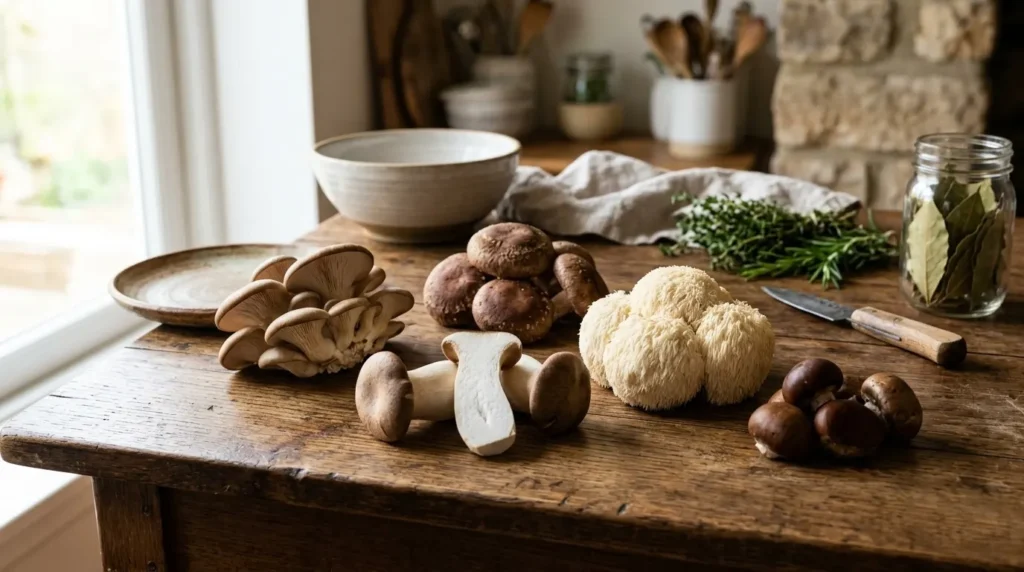
In this guide, we explain the legal mushroom species UK growers can cultivate, the rules around wild foraging, protected species, and how to grow mushrooms safely and legally at home.
What Makes a Mushroom Legal in the UK?
The legality of mushroom cultivation in the UK depends on several factors, including the species, where it came from, and how it is used.
Key Legal Factors
1. Species Type
Certain mushroom species are protected under UK wildlife laws. For example, wild Lion’s Mane (Hericium erinaceus) is protected under Schedule 8 of the Wildlife and Countryside Act 1981.
This means it is illegal to:
- Pick
- Damage
- Uproot
- Sell wild specimens
However, cultivated Lion’s Mane grown from legal spawn or grow kits is allowed.
2. Cultivation vs Wild Foraging
Growing mushrooms at home using legal spores or substrate is different from collecting mushrooms in nature.
Home cultivation of approved edible mushroom species is generally legal in the UK for:
- Personal use
- Educational purposes
- Research purposes
Wild foraging follows separate laws and restrictions.
3. Personal Use vs Commercial Sale
Personal mushroom cultivation is treated differently from commercial production.
You can legally forage many wild mushrooms for personal consumption, but commercial harvesting usually requires landowner permission.
4. Protected Locations
Foraging restrictions apply in:
- Royal Parks
- Sites of Special Scientific Interest (SSSIs)
- Protected woodland areas
Always check local bylaws before collecting wild mushrooms.
Best Legal Mushroom Species to Grow in the UK
If you are new to mushroom cultivation, these are some of the safest and most popular legal mushroom species UK growers choose.
1. Oyster Mushrooms (Pleurotus ostreatus)
Oyster mushrooms are one of the easiest and most beginner-friendly mushrooms to grow.
Why Oyster Mushrooms Are Popular
- Fast colonisation
- Multiple flushes
- High yields
- Low maintenance
- Grow well indoors
They can grow on:
- Straw
- Coffee grounds
- Hardwood pellets
- Cardboard
Legal Status in the UK
Oyster mushrooms are fully legal to cultivate and forage for personal use in the UK.
2. Shiitake Mushrooms (Lentinula edodes)
Shiitake mushrooms are famous for their rich flavour and excellent shelf life.
Growing Requirements
Shiitake grows best on:
- Hardwood logs
- Supplemented sawdust blocks
They take longer to colonise than oyster mushrooms but can produce mushrooms for several years from one log.
Legal Status
Shiitake mushrooms are legal to cultivate in the UK.
3. Lion’s Mane (Hericium erinaceus)
Lion’s Mane has become extremely popular due to growing interest in functional mushrooms and cognitive wellness.
Important Legal Difference
- Wild Lion’s Mane = Protected in the UK
- Cultivated Lion’s Mane = Legal to grow
This distinction is extremely important.
Best Growing Method
Lion’s Mane grows best on:
- Hardwood sawdust blocks
- Sterilised substrate bags
It requires slightly more humidity control than oyster mushrooms.
4. King Oyster Mushrooms (Pleurotus eryngii)
King Oyster mushrooms produce thick stems and dense texture, making them a favourite culinary species.
Advantages
- Longer shelf life
- Excellent flavour
- Strong resistance to contamination
- Suitable for indoor growing
Legal Status
King Oyster mushrooms are legal to cultivate in the UK.
5. Chestnut Mushrooms (Cyclocybe aegerita)
Chestnut mushrooms produce attractive brown caps with a nutty flavour.
They grow well on:
- Hardwood substrate
- Sawdust blocks
- Outdoor logs
These mushrooms are legal for UK home cultivation.
Wild Mushrooms You Can Legally Forage in the UK
Many wild edible mushrooms can be legally collected for personal use in the UK when local regulations are respected.
Penny Bun (Boletus edulis)
Also known as Cep, this is one of the most prized edible mushrooms in Britain.
Usually found near:
- Oak trees
- Pine woodland
- Beech forests
Chanterelle (Cantharellus cibarius)
Chanterelles are golden-yellow mushrooms known for their fruity aroma and excellent flavour.
They are commonly found in mixed woodland during autumn.
Hedgehog Mushroom (Hydnum repandum)
An easy-to-identify edible mushroom with soft spines underneath the cap instead of gills.
Popular among beginner foragers because of its lower risk of dangerous confusion.
Chicken of the Woods (Laetiporus sulphureus)
A bright orange shelf mushroom commonly found on hardwood trees.
Its texture resembles chicken when cooked.
Giant Puffball (Calvatia gigantea)
Large white puffball mushrooms can be legally foraged if collected responsibly.
Always cut puffballs open before eating:
- Pure white interior = edible
- Yellow or purple interior = too old or unsafe
Protected Mushroom Species in the UK
Some mushroom species are protected by UK law and should never be collected from the wild.
Protected Species Example
Wild Lion’s Mane
Protected under:
- Wildlife and Countryside Act 1981
- Schedule 8 protection
Illegal activities include:
- Picking
- Selling
- Damaging
- Removing from habitat
This protection only applies to wild specimens, not cultivated indoor grows.
Monotub vs Grow Bag for Legal Mushroom Growing
Both monotubs and grow bags are commonly used for legal mushroom cultivation in the UK.
Grow Bags
Best for:
- Beginners
- Low contamination risk
- Small indoor setups
Monotubs
Best for:
- Larger yields
- Advanced growers
- Bulk substrate cultivation
Many growers begin with grow bags before moving to monotubs.
Beginner Tips for Legal Mushroom Cultivation
Start With Grow Kits
Beginner mushroom grow kits reduce contamination risk and simplify the cultivation process.
They are ideal for:
- First-time growers
- Indoor growing
- Small spaces
Use Sterile Equipment
Contamination is one of the biggest causes of failed mushroom grows.
Always:
- Wash hands thoroughly
- Sterilise equipment
- Use clean growing conditions
Maintain Proper Humidity
Most gourmet mushrooms grow best with:
- 85–95% humidity
- Indirect light
- Fresh air exchange
- Temperatures between 15°C and 24°C
Dispose of Substrate Responsibly
Do not dump spent substrate near woodland or protected habitats.
Non-native mushroom strains may spread into local ecosystems.
Final Thoughts
Understanding the legal mushroom species UK growers can cultivate is essential before starting any mushroom growing project.
For most beginners, the safest legal options include:
- Oyster mushrooms
- Shiitake
- Cultivated Lion’s Mane
- King Oyster mushrooms
Always source spores, grow kits, and substrate from trusted UK suppliers and follow local laws regarding wild foraging and protected species.
By starting with proven edible species and learning proper cultivation techniques, you can enjoy safe, legal, and successful mushroom growing at home.